

Ice Age Animals
 Giggle Academy
A clear and informative nonfiction story introducing young readers to the large Ice Age animals, their habitats, lifestyles, and interactions with early humans. The text is straightforward and educational, suitable for children beginning to explore prehistoric life and natural history.
 6 - 10 ឆ្នាំ
The Ice Age began about 2.5 million years ago. Large animals lived in cold steppe and tundra lands.
Woolly mammoths were close relatives of elephants. They had long shaggy hair and curved tusks.
Mammoths traveled in herds. They ate grass, twigs, and bark.
Woolly rhinoceroses had thick fur. They used their horns to sweep snow away from plants.
Saber-toothed cats were powerful hunters. They had long, curved canine teeth.
These cats hunted large prey. They used strong jaws and sharp claws.
Giant ground sloths were huge plant eaters. They could stand on hind legs to reach branches.
Mastodons looked like mammoths but were different. Their teeth were made for chewing leaves and twigs.
Glyptodons were armored mammals. They had domed shells like giant armadillos.
Many Ice Age animals lived in groups. They needed herds or families to survive harsh climates.
Humans lived alongside Ice Age animals. People hunted them for food, hides, and bones.
Some animals went extinct when the Ice Age ended. Others disappeared because of human hunting.
Today, mammoths and saber-toothed cats are gone. But elephants, rhinos, and sloths still survive as relatives.
Fossils and frozen remains tell their story. Some mammoths are found preserved in ice.
Ice Age animals show how creatures adapt to cold. They remind us of a very different world.
 Lions
Lions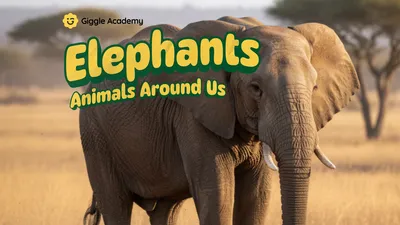 Elephants
 Bears
Bears Dogs
Dogs Cats
Cats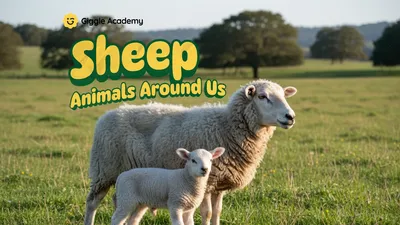 Sheep
Sheep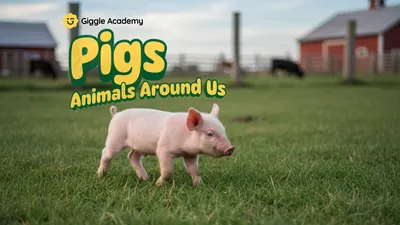 Pigs
Pigs Sharks
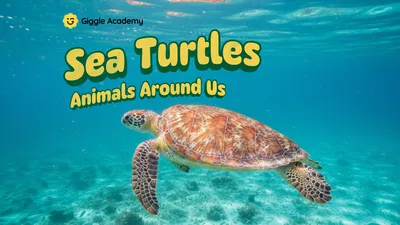 Sea Turtles
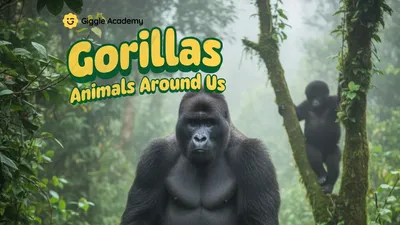 Gorillas
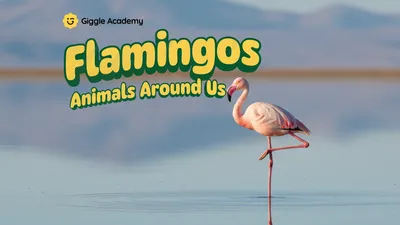 Flamingos
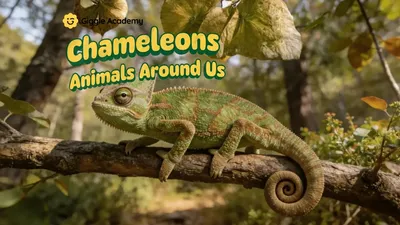 Chameleons
A simple, factual introduction to lions, describing their basic characteristics, habitat, and social behavior in a clear and concise manner. Part of the "Wild Animals Around Us" series.
A simple, factual book introducing young readers to elephants, focusing on their physical characteristics and behavior in a clear, concise manner, suitable for early vocabulary building.
A factual and clear nonfiction book that introduces young readers to bears, covering their physical characteristics, habitat, diet, and social groups. The book maintains a strictly scientific tone with no anthropomorphism.
A simple and factual picture book introducing young readers to dogs as pets, covering basic vocabulary and characteristics like fur, paws, food, water, and puppies. Designed in a documentary style with clear, calm language.
A simple, factual picture book that introduces young readers to cats as pets, covering basic characteristics and needs in a clear, documentary style.
This is a simple non-fiction book that introduces young readers to sheep. It covers where sheep live, what they eat, their physical characteristics like wool and legs, and the name for a baby sheep. The book also reinforces key vocabulary words.
This book introduces young children to pigs. It covers basic facts about where pigs live, what they look like, and some of their behaviors, like eating and enjoying mud. Simple vocabulary and repetitive sentence structures are used to help early readers build confidence.
An introductory book about sharks, detailing their physical characteristics like fins, tails, and teeth, and their habitat in the sea. It uses simple language to help young readers learn about these marine animals.
An introductory book about sea turtles, designed for early readers. It covers basic facts about their habitat, physical characteristics, and behaviors using simple language and high-frequency words.
A simple and factual introduction to gorillas, exploring their habitat, physical characteristics, and behaviors through clear and concise language, suitable for young readers.
A factual, documentary-style picture book introducing young readers to the basic characteristics of flamingos, such as their habitat, physical features, diet, and social behavior.
A factual and clear picture book introducing young readers to chameleons, covering their physical characteristics, habitat, diet, and life cycle with strict scientific accuracy and no anthropomorphism.
© រក្សាសិទ្ធិ 2024 - Giggle Academy
上海吉咯教育科技有限公司
រក្សាសិទ្ធិ © 2026 - Giggle Academy