

Bees and Wasps
 Giggle Academy
这是一篇关于蜜蜂与黄蜂的科学故事,通过真实细致的描写介绍了它们的外形特征、生活习性及生态功能。文字简洁易懂,适合儿童了解昆虫世界及其重要性。
 6 - 10 tau te pakeke
Bees and wasps are insects with six legs and four wings. They are close relatives but live very different lives.
Bees are covered in tiny hairs. The hairs help them collect pollen from flowers.
Honeybees live in large colonies. They make hives with wax and produce honey.
Bumblebees are big and fuzzy. They buzz loudly while visiting flowers.
Bees are important pollinators. They move pollen from flower to flower, helping plants grow seeds.
Wasps usually have smoother bodies. They are often slimmer with narrow waists.
Paper wasps build open nests of chewed plant fibers. The nests have rows of hexagonal cells.
Yellowjackets are bold and fast. They feed on insects, fruit, and human food scraps.
Hornets are the largest wasps. They defend their nests with powerful stings.
Wasps help control insect numbers. They catch flies, caterpillars, and other pests.
Both bees and wasps can sting. Most sting only in defense.
Bees die after stinging, but wasps can sting many times. Their stingers are smooth, not barbed.
Many bees and wasps live in gardens, meadows, and forests. They are common in warm months.
Some species are declining. Loss of flowers, pesticides, and disease harm bee populations.
Bees and wasps are small but important. They pollinate plants and keep insect numbers balanced.
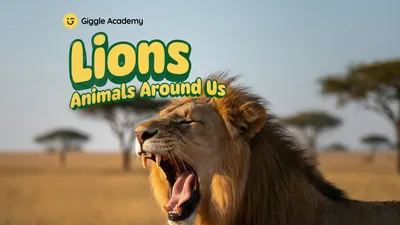 Lions
Lions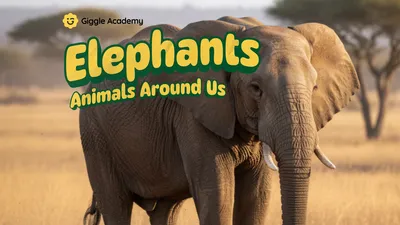 Elephants
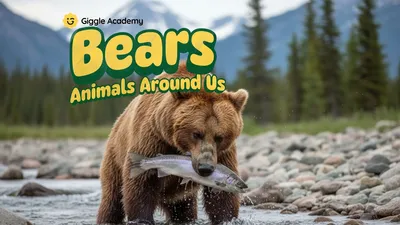 Bears
Bears Dogs
Dogs Cats
Cats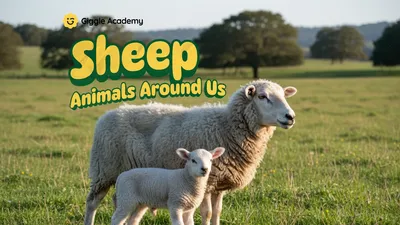 Sheep
Sheep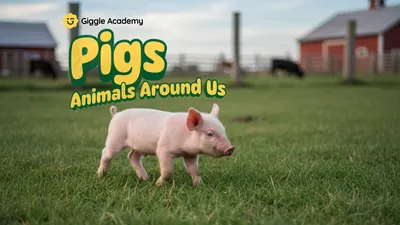 Pigs
Pigs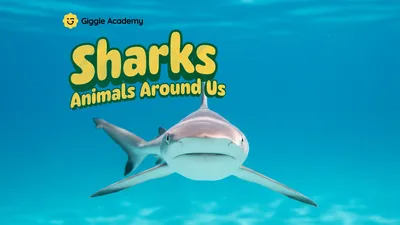 Sharks
 Sea Turtles
 Gorillas
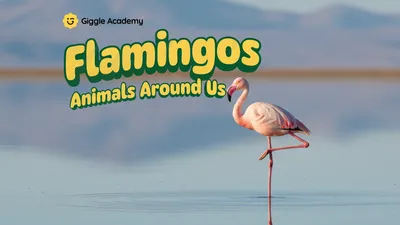 Flamingos
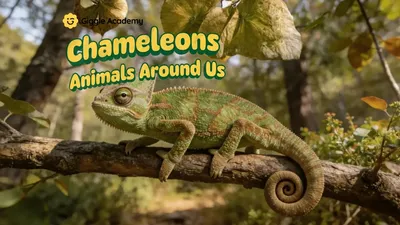 Chameleons
A simple, factual introduction to lions, describing their basic characteristics, habitat, and social behavior in a clear and concise manner. Part of the "Wild Animals Around Us" series.
A simple, factual book introducing young readers to elephants, focusing on their physical characteristics and behavior in a clear, concise manner, suitable for early vocabulary building.
A factual and clear nonfiction book that introduces young readers to bears, covering their physical characteristics, habitat, diet, and social groups. The book maintains a strictly scientific tone with no anthropomorphism.
A simple and factual picture book introducing young readers to dogs as pets, covering basic vocabulary and characteristics like fur, paws, food, water, and puppies. Designed in a documentary style with clear, calm language.
A simple, factual picture book that introduces young readers to cats as pets, covering basic characteristics and needs in a clear, documentary style.
This is a simple non-fiction book that introduces young readers to sheep. It covers where sheep live, what they eat, their physical characteristics like wool and legs, and the name for a baby sheep. The book also reinforces key vocabulary words.
This book introduces young children to pigs. It covers basic facts about where pigs live, what they look like, and some of their behaviors, like eating and enjoying mud. Simple vocabulary and repetitive sentence structures are used to help early readers build confidence.
An introductory book about sharks, detailing their physical characteristics like fins, tails, and teeth, and their habitat in the sea. It uses simple language to help young readers learn about these marine animals.
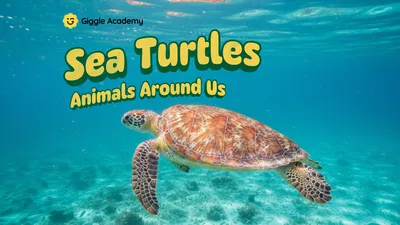
An introductory book about sea turtles, designed for early readers. It covers basic facts about their habitat, physical characteristics, and behaviors using simple language and high-frequency words.
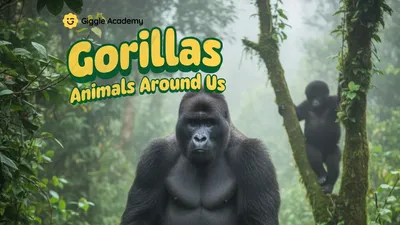
A simple and factual introduction to gorillas, exploring their habitat, physical characteristics, and behaviors through clear and concise language, suitable for young readers.
A factual, documentary-style picture book introducing young readers to the basic characteristics of flamingos, such as their habitat, physical features, diet, and social behavior.
A factual and clear picture book introducing young readers to chameleons, covering their physical characteristics, habitat, diet, and life cycle with strict scientific accuracy and no anthropomorphism.
© Mana pupuri 2024 - Giggle Academy
上海吉咯教育科技有限公司
Manatārua © 2026 - Giggle Academy