

Jellyfish Glow!
 Giggle Academy
Este libro explica de manera clara y realista las características, el hábitat y el comportamiento de las medusas. Presenta información científica adecuada para niños en edad escolar, usando un lenguaje sencillo y descriptivo que invita a explorar la belleza y función ecológica de estos antiguos habitantes del océano.
 6 - 10 کلن
Jellyfish are ancient animals that have lived in the oceans for over 500 million years. They have no bones, no heart, and no brain.
A jellyfish’s body is mostly water. It has a soft bell-shaped top and tentacles that hang below.
Jellyfish move by gently pulsing their bells. They drift with ocean currents for most of their lives.
Some jellyfish are tiny, only a few millimeters across. Others, like the lion’s mane jellyfish, can have tentacles over 30 meters long.
Jellyfish come in many colors and shapes. Some are clear, while others are red, blue, or golden.
Many jellyfish can glow in the dark. This light is called bioluminescence.
Bioluminescence is made by special chemicals in the jellyfish’s body. It can flash or shine steadily.
Jellyfish use their glow to confuse predators. Some may attract prey with their light.
Different species glow in different colors. Blue-green is the most common glow in the ocean.
Some jellyfish live near the surface in sunlight. Others drift deep in the dark ocean.
Jellyfish have stinging cells in their tentacles. These cells inject venom to catch and hold prey.
Jellyfish eat tiny animals like plankton, fish eggs, and small fish. They pull food into their mouths with their tentacles.
Sea turtles and some fish eat jellyfish. Even animals without stings can be important in the food chain.
Jellyfish blooms can change ocean ecosystems. They may grow quickly when predators are gone or waters get warmer.
Jellyfish are simple but successful survivors. They are part of the ocean’s beauty and mystery.
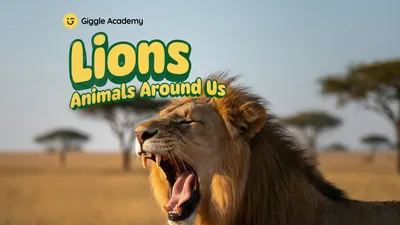 Lions
Lions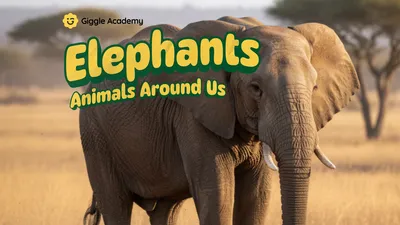 Elephants
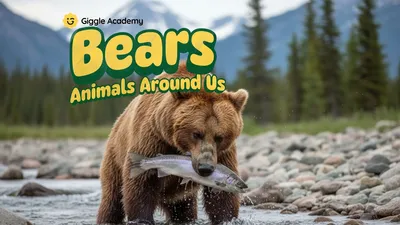 Bears
Bears Dogs
Dogs Cats
Cats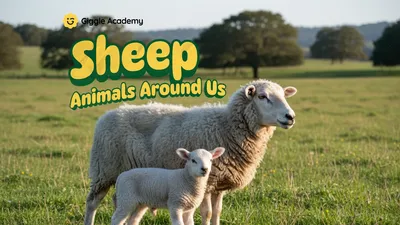 Sheep
Sheep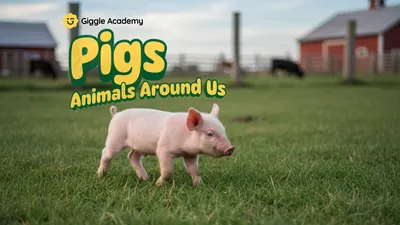 Pigs
Pigs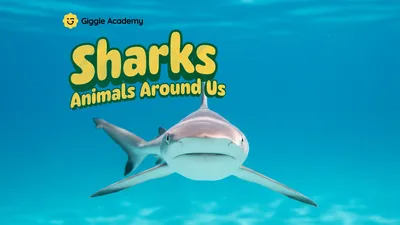 Sharks
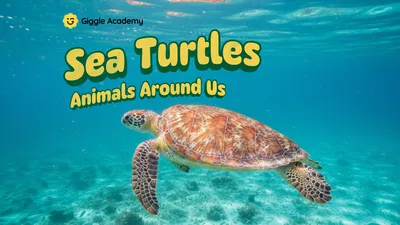 Sea Turtles
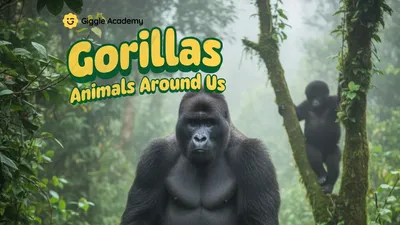 Gorillas
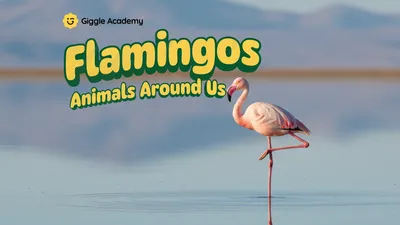 Flamingos
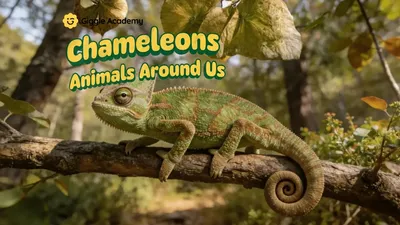 Chameleons
A simple, factual introduction to lions, describing their basic characteristics, habitat, and social behavior in a clear and concise manner. Part of the "Wild Animals Around Us" series.
A simple, factual book introducing young readers to elephants, focusing on their physical characteristics and behavior in a clear, concise manner, suitable for early vocabulary building.
A factual and clear nonfiction book that introduces young readers to bears, covering their physical characteristics, habitat, diet, and social groups. The book maintains a strictly scientific tone with no anthropomorphism.
A simple and factual picture book introducing young readers to dogs as pets, covering basic vocabulary and characteristics like fur, paws, food, water, and puppies. Designed in a documentary style with clear, calm language.
A simple, factual picture book that introduces young readers to cats as pets, covering basic characteristics and needs in a clear, documentary style.
This is a simple non-fiction book that introduces young readers to sheep. It covers where sheep live, what they eat, their physical characteristics like wool and legs, and the name for a baby sheep. The book also reinforces key vocabulary words.
This book introduces young children to pigs. It covers basic facts about where pigs live, what they look like, and some of their behaviors, like eating and enjoying mud. Simple vocabulary and repetitive sentence structures are used to help early readers build confidence.
An introductory book about sharks, detailing their physical characteristics like fins, tails, and teeth, and their habitat in the sea. It uses simple language to help young readers learn about these marine animals.
An introductory book about sea turtles, designed for early readers. It covers basic facts about their habitat, physical characteristics, and behaviors using simple language and high-frequency words.
A simple and factual introduction to gorillas, exploring their habitat, physical characteristics, and behaviors through clear and concise language, suitable for young readers.
A factual, documentary-style picture book introducing young readers to the basic characteristics of flamingos, such as their habitat, physical features, diet, and social behavior.
A factual and clear picture book introducing young readers to chameleons, covering their physical characteristics, habitat, diet, and life cycle with strict scientific accuracy and no anthropomorphism.
© د کاپي حق 2024 - ګیګل اکاډمي
上海吉咯教育科技有限公司
Copyright © 2026 - Giggle Academy